

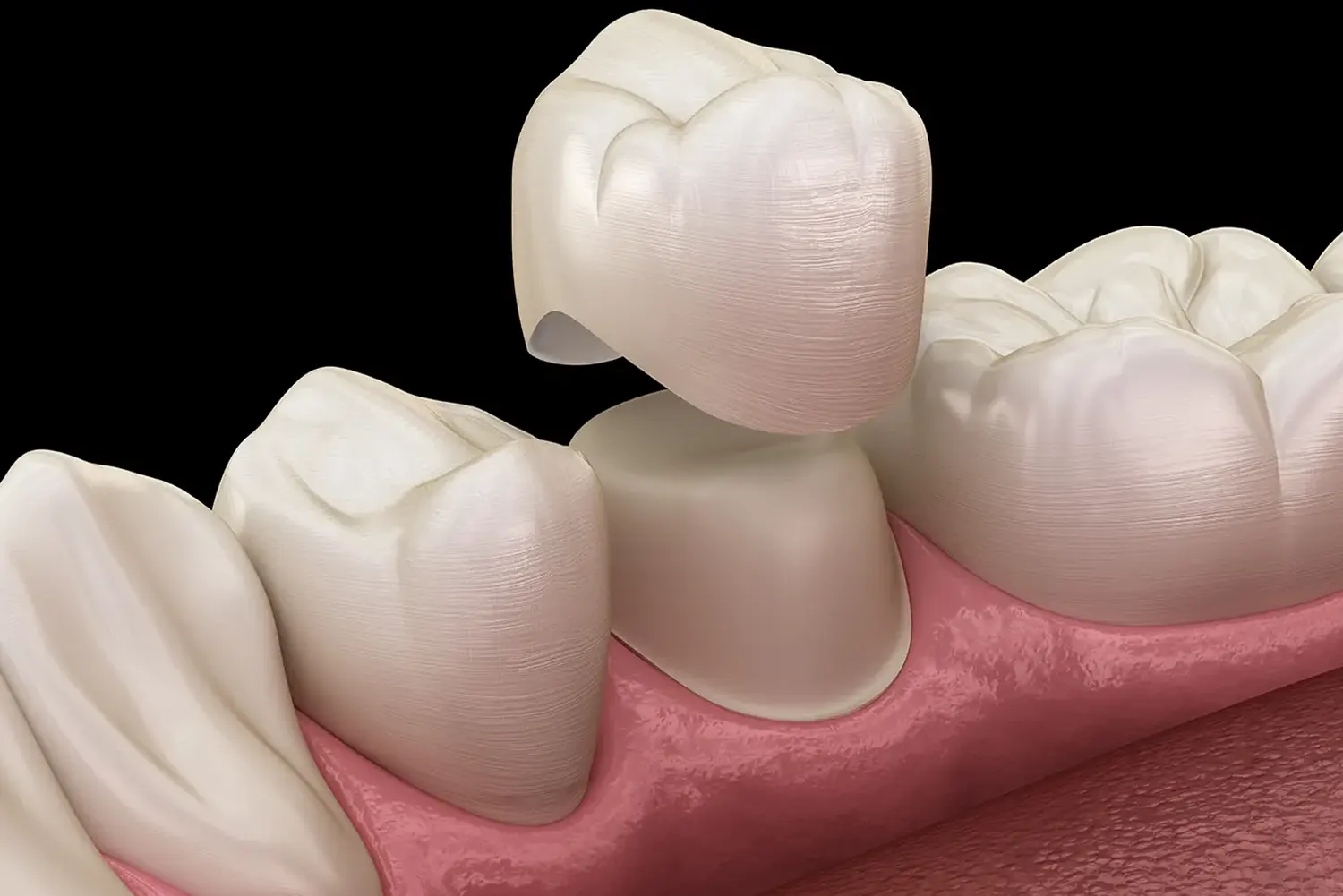
As a parent, you want to ensure your child has the best dental treatment options available, especially when it comes to restorative dentistry. Traditionally, silver crowns have been the go-to solution for children's dental restorations, but there are now more aesthetically pleasing and equally effective alternatives. Let's delve into what these alternatives are and why they might be a better choice for your child.
Why Consider Alternatives to Silver Crowns?
Silver crowns, also known as stainless steel crowns, have been widely used in pediatric dentistry for years. They are durable, cost-effective, and require only one visit to install. However, they have some drawbacks:
- They are not aesthetically pleasing. The silver color stands out and can make children self-conscious about their smiles.
- Some children may be allergic to the metal used in the crowns.
- Over time, the silver can tarnish and discolor.
On the other hand, alternative materials like composite resin and porcelain offer a more natural appearance, matching the color of the child's teeth. They also pose less risk of allergic reactions.
Composite Resin Crowns
Composite resin crowns are a popular alternative to silver crowns. They are made from a plastic and glass mixture and can be color-matched to your child's natural teeth. Here are some benefits of composite resin crowns:
- They offer a natural, tooth-like appearance.
- They are less likely to cause allergic reactions.
- They are durable and long-lasting.
However, composite resin crowns may require more frequent replacements than their silver counterparts, and the procedure can be more time-consuming.
Porcelain Crowns
Porcelain crowns are another excellent alternative to silver crowns. They are made from a ceramic material that mimics the natural color and translucency of tooth enamel. Benefits of porcelain crowns include:
- They provide the most natural-looking result.
- They are highly durable.
- They are resistant to staining.
The drawbacks are that porcelain crowns are more expensive than other options and require at least two visits to the dentist to complete the procedure.
Zirconia Crowns: A Strong and Aesthetic Option
Zirconia crowns have gained popularity in pediatric dentistry due to their combination of strength and aesthetics. These crowns are made from a ceramic material that's as durable as metal but looks like natural teeth. Benefits of zirconia crowns include:
- Extremely strong and chip-resistant
- Natural tooth-like appearance
- Biocompatible and hypoallergenic
- Resistant to plaque buildup
While zirconia crowns are more expensive than silver crowns, many parents find the aesthetic and health benefits worth the investment.
The Process of Getting Alternative Crowns
Understanding the procedure can help ease any anxiety your child might have about getting a crown. Here's a general overview:
- Tooth preparation: The dentist removes decay and shapes the tooth to fit the crown.
- Impression or digital scan: This creates a model of the tooth for the crown.
- Temporary crown placement (if needed): For some types of crowns, a temporary one is placed while the permanent crown is being made.
- Permanent crown placement: The crown is cemented onto the prepared tooth.
The process may vary slightly depending on the type of crown and your child's specific needs.
Caring for Alternative Crowns
Proper care can extend the life of your child's crown and maintain overall oral health. Here are some tips:
- Encourage regular brushing and flossing
- Avoid sticky or hard foods that could damage the crown
- Continue regular dental check-ups
- Use a night guard if your child grinds their teeth
With good care, alternative crowns can last until the primary tooth naturally falls out.
Cost Considerations for Alternative Crowns
While alternative crowns often cost more than silver crowns, it's important to consider the long-term value. Factors affecting cost include:
- Type of material used
- Complexity of the procedure
- Geographic location
- Insurance coverage
Many dental insurance plans now cover part of the cost for alternative crowns. Check with your provider for specific coverage details.
Addressing Common Concerns About Alternative Crowns
Parents often have questions about alternative crowns. Here are answers to some common concerns:
Will the crown fall out?
With proper care, crowns are designed to stay in place until the primary tooth naturally exfoliates.
Can my child still get cavities with a crown?
While the crowned tooth is protected, maintaining good oral hygiene is crucial to prevent decay in other teeth.
Will the crown affect speech?
Initially, there may be a brief adjustment period, but most children adapt quickly with no lasting effects on speech.
How long do alternative crowns last?
They typically last until the primary tooth falls out naturally, which can be several years.
Are there any age restrictions for alternative crowns?
These crowns can be used for children of all ages, depending on the specific dental needs.
Remember, every child's dental needs are unique. Consult with your pediatric dentist to determine the best crown option for your child.
Making the Right Choice for Your Child
Choosing the right type of crown for your child depends on several factors, including the location and extent of tooth decay, your child's age, and your budget. It's important to discuss these factors with a pediatric dentist who can guide you in making the best decision for your child's dental health.
Contact Kids Tooth Team in Michigan
At Kids Tooth Team, Dr. Kasey Stark is committed to providing the best dental care for your children. We offer a range of restorative dentistry options, including composite resin and porcelain crowns. Call us at (248) 422-0555 to schedule an appointment and discuss the best treatment options for your child.